Description
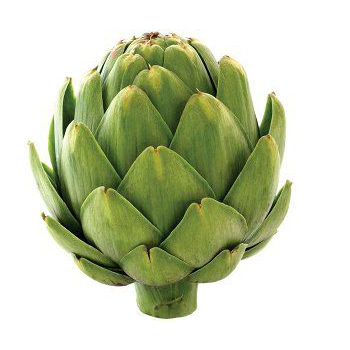
Artichoke (Cynara scolymus), a perennial thistle native to the Mediterranean region, is renowned for its edible flower buds and rich phytochemical composition. Traditionally valued in European and Middle Eastern cuisines as well as herbal medicine, artichoke has become a versatile ingredient in modern dietary supplements, functional foods, and nutraceutical formulations. Its unique combination of nutrients and bioactive compounds supports wellness-focused applications and has positioned it as a popular botanical for digestive and metabolic support products.
Nutritional Profile
Artichoke is a nutrient-dense vegetable offering a variety of vitamins, minerals, and dietary components:
-
Vitamins: Rich in vitamin C, vitamin K, folate (B9), and small amounts of vitamin A.
-
Minerals: Contains potassium, magnesium, phosphorus, and iron, contributing to electrolyte balance and metabolic health.
-
Dietary Fiber: Artichoke is naturally high in fiber, promoting digestive health and supporting satiety.
-
Low Fat and Calories: Its low caloric content and minimal fat make it ideal for clean-label and health-focused formulations.
These nutrients make artichoke an attractive raw material for functional foods, beverages, and dietary supplements targeting general wellness.
Phytochemicals and Bioactive Compounds
The functional properties of artichoke are largely due to its rich array of bioactive compounds:
-
Cynarin: A signature compound found in artichoke, valued for supporting digestive health and liver function.
-
Polyphenols: Includes flavonoids and hydroxycinnamic acids, which provide antioxidant benefits.
-
Inulin: A naturally occurring prebiotic fiber supporting gut microbiota balance and digestive wellness.
-
Saponins and Other Antioxidants: Contribute to the overall protective and health-supporting qualities of the plant.
These bioactive components make artichoke a highly functional ingredient in dietary supplements, teas, functional beverages, and plant-based nutrition products.
Applications
Artichoke is widely utilized across multiple industries for its nutrient and bioactive content:
-
Dietary Supplements: Artichoke leaf extract and powders are used in capsules, tablets, and blends to support digestive health, liver function, and general wellness.
-
Functional Foods and Beverages: Commonly added to teas, smoothies, and superfood blends for antioxidant support and natural flavor enhancement.
-
Culinary Uses: Fresh or cooked artichoke is incorporated into salads, dips, and recipes for both taste and nutrition.
-
Cosmetic and Personal Care Products: Artichoke extracts are included in skincare formulations for antioxidant and protective properties.
Its adaptability across food, supplement, and cosmetic products ensures steady demand in both traditional and modern wellness markets.
Summary
Artichoke (Cynara scolymus) is a nutrient-rich vegetable and botanical ingredient valued for its fiber, vitamins, minerals, and potent bioactive compounds such as cynarin, polyphenols, and inulin. From traditional culinary consumption to modern functional foods and dietary supplements, artichoke offers versatile applications that align with contemporary health trends.
With sustainable cultivation, careful processing, and strict quality control, artichoke products deliver consistent nutrient content, flavor, and functional benefits. Its combination of antioxidants, prebiotic fibers, and digestive-supportive compounds makes artichoke a premium ingredient for functional foods, beverages, supplements, and personal care products.