Description
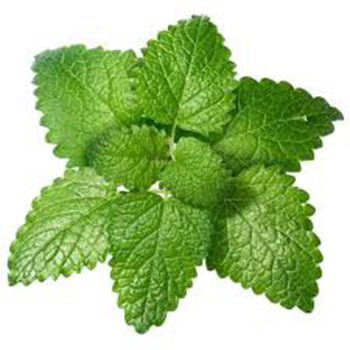
Lemon balm, scientifically known as Melissa officinalis, is a fragrant perennial herb from the mint family, prized for its bright, citrus-like aroma and soothing qualities. Native to the Mediterranean and Western Asia, it has been used for centuries in herbal preparations to promote relaxation, uplift mood, and support general wellbeing. Its refreshing lemon scent and gentle flavor make it a favorite in teas, extracts, and wellness products.
Lemon balm leaves contain a variety of naturally occurring compounds, including rosmarinic acid, caffeic acid, flavonoids, and essential oils such as citral, citronellal, and linalool. These phytochemicals contribute to its distinctive fragrance and potential wellness benefits.Rosmarinic acid is notable for its antioxidant properties, helping to protect cells from oxidative stress. The essential oils in lemon balm are believed to support a calming effect, while flavonoids contribute to its overall bioactive profile. Additionally, lemon balm provides small amounts of vitamins, minerals, and polyphenols that enhance its value as a botanical ingredient.
Lemon balm is widely appreciated for its traditional role in promoting relaxation and a sense of calm. It is often used to help maintain a positive mood and support restful sleep, making it a popular choice for evening teas and calming herbal blends.Its antioxidant compounds help neutralize free radicals, supporting long-term wellness and cellular protection. Lemon balm also has a history of use in digestive comfort, particularly in soothing occasional mild indigestion and supporting a balanced gut environment.In aromatherapy, lemon balm’s essential oil is valued for its uplifting yet soothing scent, often incorporated into blends to promote mental clarity and emotional balance. Its versatility makes it a key ingredient in both herbal formulations and functional foods designed for stress support and relaxation.
Lemon balm is available in multiple forms to suit different uses, including dried leaves, powdered herb, liquid extracts, tinctures, capsules, and essential oils. Dried leaves are commonly infused into teas, offering a refreshing, slightly sweet flavor that pairs well with other calming herbs such as chamomile and lavender.Powdered lemon balm can be incorporated into smoothies, functional beverages, and dietary supplements, while standardized extracts provide consistent levels of active compounds like rosmarinic acid for targeted applications. The essential oil is used in aromatherapy products, perfumes, and natural cosmetics for its pleasant aroma and relaxing qualities.Careful harvesting of lemon balm—often before flowering—helps ensure peak essential oil content and optimal potency. Gentle drying methods preserve its aromatic compounds and bright green color, maintaining quality for both culinary and supplement use.