Description
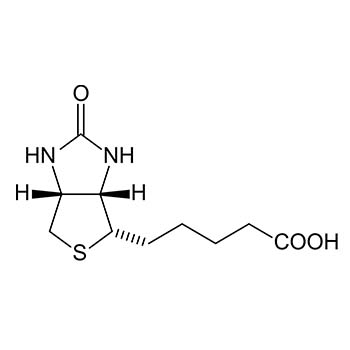
Biotin, also known as Vitamin B7 or Vitamin H, is a water-soluble B-complex vitamin that plays a vital role in supporting metabolic processes, energy production, and overall cellular health. As an essential nutrient, biotin cannot be synthesized in sufficient quantities by the human body and must be obtained through diet or supplementation. It is widely recognized for its contribution to hair, skin, and nail health, making it one of the most popular ingredients in the nutraceutical and cosmetic industries. Biotin is naturally present in foods such as eggs, nuts, seeds, whole grains, and certain vegetables, but supplementation ensures consistent intake to meet individual health and wellness needs.
With increasing consumer demand for natural beauty and wellness solutions, biotin has gained significant attention in both functional foods and dietary supplements. Its multifunctional role, from enzymatic activity to energy metabolism, has made it a cornerstone ingredient for health-conscious individuals worldwide.
Nutritional Profile
Biotin is a water-soluble vitamin that functions as a coenzyme in numerous enzymatic reactions. Its nutritional contributions include:
-
Vitamin Classification: Part of the B-complex family, specifically B7.
-
Solubility: Water-soluble, meaning it is not stored in large amounts in the body and requires regular intake.
-
Functions: Supports the metabolism of carbohydrates, fats, and proteins, converting food into usable cellular energy.
-
Recommended Intake: The daily adequate intake (AI) for adults is approximately 30 mcg, though higher doses are often found in supplements for targeted health benefits.
Biotin deficiencies are rare but can lead to symptoms such as hair thinning, brittle nails, fatigue, or skin rashes. Supplementation provides a safe and effective way to ensure optimal intake, especially for those with dietary restrictions, increased metabolic needs, or during periods of stress.
Phytochemicals and Bioactive Compounds
Though biotin is not a phytonutrient in the traditional sense, it serves as a bioactive vitamin with powerful functional benefits at the cellular level:
-
Cofactor Role: Biotin acts as a coenzyme for carboxylase enzymes, which are crucial in gluconeogenesis, fatty acid synthesis, and amino acid catabolism.
-
Hair, Skin, and Nail Support: Biotin contributes to keratin production, a key protein that enhances the structure and strength of hair and nails.
-
Nervous System Function: Supports neurotransmitter activity and overall neurological health.
-
Metabolic Health: Helps regulate gene expression related to glucose and lipid metabolism, playing a supportive role in energy balance.
-
Immune Function: Emerging studies suggest biotin supports immune system activity and reduces oxidative stress.
This bioactivity underpins biotin’s growing reputation as a multi-purpose supplement that bridges the gap between nutritional wellness and cosmetic health.
Applications
Biotin’s versatility makes it highly valued across multiple industries, especially nutraceuticals, cosmetics, and functional foods:
1. Dietary Supplements
-
Widely used in capsules, tablets, gummies, and powders.
-
Popular as a standalone supplement or as part of a B-complex formulation.
-
Often included in beauty-from-within supplements, targeting hair, skin, and nail health.
2. Functional Foods and Beverages
-
Incorporated into protein shakes, energy bars, fortified beverages, and nutritional powders.
-
Appeals to health-conscious consumers seeking clean-label and fortified nutrition.
3. Cosmetics and Personal Care
-
Found in shampoos, conditioners, and hair serums designed to promote strength and shine.
-
Added to nail treatments and skincare formulations for strengthening and revitalization.
4. Clinical and Specialized Nutrition
-
Used in prenatal vitamins to support maternal and fetal health.
-
Incorporated in medical nutrition formulas for individuals with metabolic challenges.
The global market demand for biotin is expanding, fueled by rising interest in holistic beauty, preventive wellness, and lifestyle supplementation.
Summary
Biotin (Vitamin B7) is an essential B-complex vitamin that plays a critical role in metabolism, cellular energy production, and the maintenance of healthy hair, skin, and nails. As a versatile nutrient, biotin supports multiple biological functions, from enzymatic activity to gene regulation, making it indispensable for daily health.
Its diverse applications across nutraceuticals, functional foods, cosmetics, and medical nutrition highlight its status as a cornerstone ingredient in the wellness industry. With growing global interest in natural beauty and preventive healthcare, biotin continues to be recognized as a trusted and effective solution for supporting vitality and appearance.
Whether formulated in supplements, fortified foods, or personal care products, biotin remains a highly sought-after nutrient that bridges the connection between inner health and outer beauty.