Description
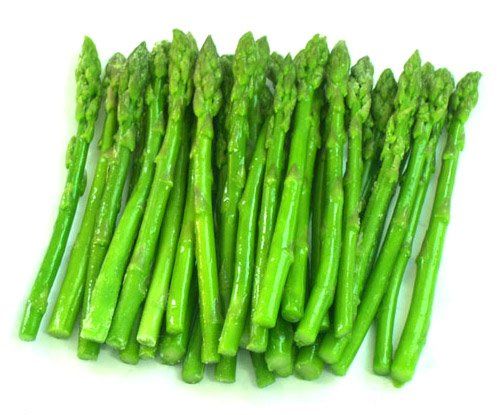
Asparagus (Asparagus officinalis) is a perennial vegetable cultivated worldwide for its tender shoots and distinctive nutritional value. Traditionally consumed as a fresh vegetable, asparagus has also been recognized as a functional food ingredient due to its natural vitamin, mineral, and phytonutrient content. In powdered form, Asparagus Powder offers enhanced convenience, stability, and versatility. It is widely used in powders, capsules, tablets, soups, seasonings, and functional beverages, making it suitable for health-focused and clean-label formulations.
Nutritional Profile
Asparagus Powder provides a range of naturally occurring nutrients, including:
-
Dietary fiber – Supports digestive health
-
Vitamins – Particularly vitamin A, vitamin C, vitamin E, vitamin K, and folate
-
Minerals – Such as potassium, calcium, magnesium, iron, and phosphorus
-
Low fat and low calorie content – Suitable for balanced and wellness-oriented products
These nutritional attributes contribute to its value in functional and plant-based formulations.
Phytochemicals and Bioactive Compounds
Asparagus Powder contains several bioactive compounds, including:
-
Flavonoids – Such as quercetin and rutin, associated with antioxidant activity
-
Saponins – Naturally occurring compounds linked to metabolic and cellular support
-
Phenolic compounds – Contribute to oxidative stability
-
Fructooligosaccharides (FOS) – Naturally present prebiotic fibers
These components enhance the functional positioning of asparagus powder.
Applications
Asparagus Powder is suitable for a wide range of applications, including:
-
Dietary supplements – Capsules, tablets, and blended powders
-
Functional foods – Nutritional mixes and wellness products
-
Soups and sauces – For flavor and nutritional enhancement
-
Seasonings and savory blends
-
Plant-based and green food formulations
Its mild vegetal flavor allows easy incorporation into various formulations.
Summary
Asparagus Powder is a versatile, nutrient-rich ingredient offering dietary fiber, essential vitamins, minerals, and bioactive compounds. With its broad application potential and clean-label appeal, it serves as a valuable ingredient for functional foods, supplements, and health-oriented product development.