Description
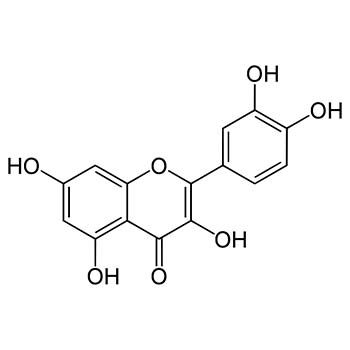
Quercetin Dihydrate is a naturally occurring flavonoid compound found abundantly in many fruits, vegetables, and plants, including onions, apples, berries, and tea leaves. Recognized for its antioxidant capacity, Quercetin Dihydrate is widely valued in the nutraceutical, food, and pharmaceutical industries. Unlike its anhydrous counterpart, the dihydrate form has two water molecules attached, contributing to improved stability and solubility in certain applications. As a dietary supplement ingredient, it is frequently included in formulations designed to support immune balance, circulatory health, and cellular defense against oxidative stress. Its long history of presence in human diets, combined with increasing scientific interest, has positioned Quercetin Dihydrate as one of the most versatile plant-derived bioactive compounds.
Nutritional Profile
Quercetin Dihydrate is not a vitamin or mineral but a polyphenolic flavonoid categorized within the flavonol subclass. While it is not considered an essential nutrient, its role in human health is increasingly recognized through its strong antioxidant and anti-inflammatory characteristics. In supplement form, Quercetin Dihydrate is generally standardized to high purity, often exceeding 95%, ensuring consistent quality for both research and commercial applications.
This compound exhibits a unique ability to neutralize free radicals and reactive oxygen species (ROS), helping to protect biomolecules like lipids, proteins, and DNA from oxidative damage. In addition, Quercetin Dihydrate may work synergistically with vitamin C and other antioxidants, enhancing their biological effects. The dihydrate structure contributes to higher stability compared to some other flavonoid derivatives, making it a reliable option for formulation in capsules, powders, and functional foods.
Phytochemicals and Bioactive Compounds
Quercetin Dihydrate belongs to a larger group of phytochemicals that naturally occur in plants as defense compounds. It is particularly notable for the following bioactive characteristics:
-
Antioxidant Potential: Acts as a free radical scavenger, providing cellular protection and maintaining oxidative balance.
-
Anti-Inflammatory Role: Modulates pathways associated with inflammatory responses, making it a compound of interest in studies related to joint, cardiovascular, and metabolic health.
-
Immune Support: Interacts with immune signaling molecules, supporting a balanced immune response.
-
Circulatory Health: Quercetin Dihydrate is being investigated for its ability to support vascular function and overall cardiovascular wellness.
-
Synergistic Effects: Known to work in combination with resveratrol, vitamin C, and bromelain, Quercetin Dihydrate is frequently included in advanced multi-ingredient supplement formulas.
The bioavailability of Quercetin Dihydrate has historically been a subject of scientific study, with ongoing research exploring advanced delivery systems, such as liposomal forms, to improve absorption and utilization in the body.
Applications
Quercetin Dihydrate is versatile and widely used across industries:
-
Dietary Supplements: Often formulated into capsules, tablets, and powder blends, either as a standalone ingredient or combined with complementary compounds such as vitamin C or bromelain.
-
Functional Foods and Beverages: Incorporated into fortified drinks, energy bars, or health-oriented snacks to deliver plant-based antioxidant benefits.
-
Pharmaceutical and Clinical Research: Investigated for potential roles in immune modulation, cardiovascular health, and cellular defense mechanisms.
-
Cosmetics and Skincare: Due to its antioxidant activity, Quercetin Dihydrate is occasionally applied in skincare formulations to help protect against environmental stressors.
-
Animal Nutrition: Used in some veterinary and animal health products as a natural antioxidant to support wellness.
The stability of Quercetin Dihydrate ensures its suitability for diverse product formats, and its plant-derived origin aligns with consumer demand for clean-label and naturally sourced ingredients.
Summary
Quercetin Dihydrate stands as one of the most significant flavonoid compounds recognized for its wide-ranging biological activities and versatile applications. As a stable, bioactive ingredient, it is particularly valued in supplement and functional food industries, where antioxidant protection, immune balance, and circulatory health are key areas of consumer interest. Whether used alone or in combination with synergistic compounds, Quercetin Dihydrate continues to gain attention as a reliable, science-backed nutraceutical ingredient with broad market appeal.