Your Trusted Partner for Premium Ingredients
Elowen connects manufacturers with high-quality, ethically sourced raw materials for food &beverages, dietary supplements, functional foods, cosmetics and pharmaceuticals. With a network of 50+ certified suppliers across China, we ensure competitive pricing, fast logistics, and full documentation compliance.
With long-standing expertise in China’s ingredient and supply ecosystem, we possess an in-depth understanding of premium raw-material origins and maintain direct relationships with leading manufacturers across the industry.

Supplier Network & Quality Assurance
Rigorous Vetting, Reliable Supply.

Supplier Audits
Comprehensive on-site evaluations of production facilities

Laboratory Testing
Every batch of ingredients undergoes exhaustive testing at our partner laboratories

Batch Traceability
End-to-end visibility allows us to provide comprehensive documentation for regulatory compliance.

Documentation Review
Meticulous examination of supplier documentation ensuring full transparency and regulatory compliance.
What Set Elowen Apart
We use deep local insight to help global buyers secure high-quality ingredients at competitive costs

Global Reach, Local Expertise
For many procurement leaders, supplier selection is limited to a small, highly visible segment of the market, often shaped by international exhibitions and surface-level connections. This approach can restrict access to superior manufacturers, origin advantages, and true cost efficiency.
Elowen brings a fundamentally different model. With years of deep-rooted presence in China’s ingredient supply chain, we possess first-hand knowledge of key origin regions and maintain direct relationships with proven, high-performing manufacturers across the industry.
We help decision-makers move beyond geographic and informational constraints—identifying reliable suppliers, optimizing cost structures, and securing products that meet both quality standards and long-term commercial objectives. Elowen serves as a strategic extension of your sourcing team, transforming complexity into clarity and advantage.
Empowering You to Thrive and Grow
At Elowen, we don’t just supply premium nutraceutical raw materials-We empower your success with strategic support at every stage of your business journey.

Premium Quality Ingredients
Reliably Sourced. Consistently Effective.

Plant Powder & Extract
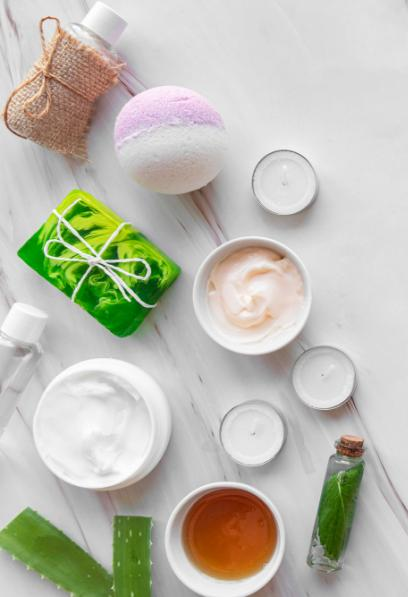
Cosmetics

Food & Beverage
