Description
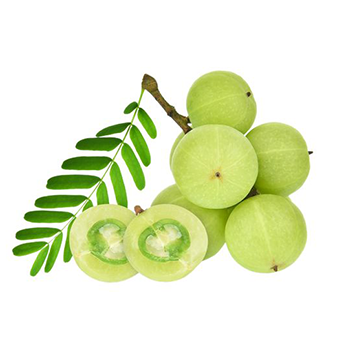
Amla (Phyllanthus emblica), commonly known as Indian Gooseberry, is a deciduous tree native to India and Southeast Asia. Celebrated in traditional Ayurvedic medicine for thousands of years, Amla is renowned for its nutrient-rich fruit, high antioxidant content, and diverse health-supporting properties. In modern health and wellness industries, Amla is widely used in dietary supplements, functional foods, juices, and herbal formulations. Its unique combination of vitamins, polyphenols, and bioactive compounds makes it a premium ingredient for nutrition, immunity support, and overall vitality.
Nutritional Profile
Amla fruit is a nutrient-dense superfruit, offering a wide array of vitamins, minerals, and phytonutrients:
-
Vitamin C: Exceptionally rich in ascorbic acid, Amla provides powerful antioxidant support.
-
B-Complex Vitamins: Contains vitamin B1, B2, B3, and B5, contributing to energy metabolism and overall wellness.
-
Minerals: Provides calcium, phosphorus, iron, and potassium, supporting bone health, electrolyte balance, and metabolic functions.
-
Dietary Fiber: Supports digestive health and aids in maintaining gut balance.
The high vitamin C content, combined with natural fiber and micronutrients, positions Amla as a functional ingredient in dietary supplements, juices, and powdered blends.
Phytochemicals and Bioactive Compounds
Amla’s health-promoting properties are largely due to its rich content of bioactive compounds:
-
Polyphenols: Including tannins, flavonoids, and ellagitannins, which contribute to antioxidant and cellular protection.
-
Ascorbic Acid (Vitamin C): A natural antioxidant that supports immunity and overall wellness.
-
Phytosterols: Plant sterols present in Amla help support metabolic and cardiovascular health.
-
Other Bioactives: Gallic acid, quercetin, and emblicanin compounds provide additional antioxidant and protective properties.
These bioactive compounds make Amla highly valued for functional formulations targeting immunity, antioxidant support, and overall vitality.
Applications
Amla is a versatile ingredient utilized across various industries:
-
Dietary Supplements: Available in powder, capsule, tablet, and extract forms to support immunity, digestion, and antioxidant intake.
-
Functional Foods and Beverages: Used in juices, smoothies, herbal teas, energy drinks, and superfood blends for nutrition and flavor.
-
Traditional Herbal Preparations: Commonly included in Ayurvedic formulations, tonics, and herbal blends.
-
Cosmetic and Personal Care: Amla extracts are incorporated into skincare and haircare products for antioxidant and rejuvenating benefits.
-
Culinary Applications: Dried Amla, powders, or extracts are used in jams, sauces, and functional food recipes for both nutrition and flavor enhancement.
Its multifunctional nature ensures strong global demand in both traditional wellness markets and modern functional food and nutraceutical industries.
Summary
Amla (Phyllanthus emblica) is a nutrient-rich superfruit prized for its high vitamin C content, polyphenols, minerals, and fiber. From traditional Ayurvedic practices to modern dietary supplements, functional foods, and cosmetics, Amla delivers a versatile, plant-based ingredient that supports immunity, antioxidant protection, and overall wellness.
With sustainable cultivation, careful processing, and strict quality control, Amla products provide consistent potency, flavor, and bioactive content. Its combination of nutrients, antioxidants, and bioactive compounds makes Amla a premium raw material for dietary supplements, functional foods, beverages, and personal care products, bridging traditional herbal knowledge with contemporary health-conscious lifestyles.